As a year rolls by, Thompsons have shown that family values still carry significant weight in the modern world

Staff at Thompsons recently celebrated being back under family ownership.

In 2019 brothers, Matthew and Joseph Thompson sold Thompsons Contracts Blackpool Ltd to Private Equity, to grow and develop the business. However, in 2023 Matthew reacquired the company with the intention of returning it to a family run business, focussing on quality craftmanship and excellence in delivery.

It’s been 12 months since Matthew reacquired the company and to celebrate this milestone he treated the staff to breakfast and added “I am thrilled to announce that our business has reached an exciting milestone – we are celebrating our 1st year anniversary of Thompsons 4.0 today!

Twelve months ago, we started again! To be honest, reacquiring Thompsons was never part of the plan, but with all of your hard work, commitment and dedication, I’m glad we did. The aim was to turn the company around and secure its future for all, we have achieved both in just 12 months. I am incredibly proud in all that we have accomplished together.”

The accomplishments of the past year are many, but I would like to take this opportunity to highlight just a few…

  • Our client base has continued to grow and diversify across sectors. In particular, Hotels, Premier League Football Clubs and new franchise operators. This strengthens our position in a competitive market and aids with market fluctuations.
  • Our H&S audit scores have increased, which ultimately provide safe working environments for all.
  • The workshop improvement plan has been a success with increased productivity, staff retention and investment in new equipment.
  • Increased staff retention and hiring of some excellent team members has resulted in a strong team ready for a busy 2024. We are investing more than ever in training staff across all departments, strengthening the team and supporting individuals career development.
  • Creation of a Solar Division has provided us with an additional offering to current clients and allowed us to diversify into new markets across the industry.
  • Our corporate responsibility continues to grow through our own environmental improvements and in our local community, through the support of Brian House Childrens Hospice – raising £10k at the Blackpool 10k run and as the headline sponsor for the Elmer Art trail in Blackpool, launching later this spring.
  • We have invested and considered the reward and recognition of staff, and enjoyed some great team building events, nights out, quarterly recognition of individuals and a new bonus programme across the company.”

Not ones to rest on their laurels, Thompsons celebrate this anniversary with a testament to their success and evolution: a new, vibrant website. Packed with information, customer testimonials, and insight into the journey that has brought them here, the website: www.thompsonslimited.co.uk serves as a welcome reminder of how far the company has come. Yet, it doesn’t forget to show how those essential family values have remained integral in every step of this journey.

At the same time, Thompsons have given a nod to the future, by recently announcing their venture into the solar sector. True to their ethos of top-quality craftsmanship and comprehensive service, Thompsons have unveiled their new solar division.

Understanding the growing necessity for renewable energy solutions and recognising its pivotal role in combating climate change, Thompsons have stepped forward to offer businesses bespoke advice on sustainable, solar energy. This step aligns Thompsons with modern green energy goals and highlights the adaptability and foresight that have defined the company’s journey since it was established in 2008.

A significant advantage for businesses seeking to embrace greener solutions, Thompsons’ expertise and reliable approach is more relevant now than ever. As a long-established, multifaceted company, their experience spans numerous industries, from hospitality and leisure facilities to healthcare, hotels, and retail. With such a diverse portfolio and its strong values, Thompsons stands ready to help companies from different sectors optimise their energy solutions and adopt environmentally responsible practices.

As the Thompsons embark on this exciting new phase, the future promises to uphold their enduring commitment to unparalleled experiences for their customers and their continuous strive towards cultivating stronger, environmentally conscious communities.

Under Matthew Thompson’s renewed ownership, the commitment to quality craftsmanship has remained, and with the incorporation of modern renewable solutions, Thompsons showcases that traditional values and innovation can co-exist harmoniously in business.

Looking ahead to 2024…Thompsons have the strongest pipeline of work seen in the company – both size of individual jobs, brand roll outs and prestigious clients. These include work in some of London’s most iconic buildings, Premier League Football Clubs and the Transport networks. The company will continue to invest in growth, innovation and individuals.

Back to all news

Other interesting news

Thompsons Contracts are excited to announce the launch of a new arm of their business – Commercial Solar Panels. As more and more businesses focus on becoming environmentally sustainable, the installation of solar panels has become increasingly popular. By adding this new service, Thompsons Contracts can help businesses take advantage of the cost-saving benefits of solar power and reduce their carbon footprint.
So why are commercial solar panels such a valuable addition for any business? The answer lies in the unique combination of financial and environmental benefits they provide.

Cost Savings

Firstly, installing commercial solar panels can result in significant cost savings. By generating their own electricity, businesses can reduce their reliance on grid power and cut down on energy bills. This can result in lower operational costs and higher profit margins, ultimately boosting a company’s bottom line.

Environmental Benefits

Commercial solar panels have numerous environmental benefits. Unlike fossil fuels, which produce greenhouse gas emissions, solar power is clean and sustainable. This means that businesses that choose to install solar panels are reducing their carbon footprint and contributing to a healthier planet. Furthermore, customers are increasingly demanding environmentally responsible business practices, so investing in solar panels can be a smart business decision that attracts more environmentally conscious customers.
At Thompsons Contracts, our solar panels are of the highest quality and our installation team is experienced in delivering projects of any size. We work with our clients to tailor each system to their unique needs and ensure a smooth installation process. Our experts will conduct an assessment of each client’s energy needs, recommend the right solar panel system, and ensure a cost-effective solution for all involved.
Our team of in-house engineers are trained and certified in all of the relative skills for solar installation works. With their experience on the job, our clients can be sure that the installations are planned, managed and carried out in a professional and efficient manner.

“We believe that commercial solar panels are an investment that can have tremendous financial and environmental benefits for any business. Our new arm of the business is a testament to our commitment to providing our clients with the best solutions for their needs, and we look forward to helping more businesses reduce their carbon footprint and cut costs.” Matthew Thompson, Executive Director

We’re excited to be taking this step towards a greener and sustainable future with our solar panel division. Get in touch today to learn more about how Thompsons can help your business reduce its carbon footprint and transform your business into a green energy company.

Email: solarteam@thompsonslimited.co.uk | www.thompsonslimited.co.uk/solar

Back to all news

Other interesting news

With a design brief that included a canoe suspended from the ceiling, 6,000 books cladding two columns and 850 bowler hats hung on a fascia, it’s fair to say our first Timothy Oulton store gave the Thompsons team a great opportunity to demonstrate their creative expertise.

We were commissioned by Halo Creative Design, owner of British furniture brand Timothy Oulton, to fit out its Broadgate store in central London, but this was no ordinary commission.

Timothy Oulton – which is famed for its upmarket stores around the world – entices its affluent customers with an eclectic mix of furniture, lighting, home décor and accessories.

These antique products with a modern twist are showcased in distinctive bespoke stores that create a unique shopping experience. This is where we came in.

Working collaboratively with the client’s appointed project manager and cost consultant Monaghans, our task was to turn the 250sq m unit on Broadgate Circle above Liverpool Street Underground station into a standout store ready for opening on 19 November 2021.

In the seven weeks we were on site, we turned the unusual design brief into reality. Besides the hats, books and canoe, our team also hung 65 chandeliers and a motorbike from a structural grid, built and installed a two-tonne Apollo space pod and hung everything from swords and golf clubs to vintage helmets and clothing around the store.

Add in a curved glass shop front, 320sq m of cut-down parka flooring, bronze hands on the main entrance door and some final adjustments to the motorbike and the project was completed, with everyone happy with the end result.

We’re pleased to report that this project was just the start of our relationship with Halo Creative Design. Hot on Broadgate’s heels, we delivered three further units for the company – two Timothy Oulton stores in Tottenham Court Road and Liverpool, and a Sofa Workshop in Thurrock in Essex.

See full case study here.

Back to all news

Other interesting news

As an integral partner to Euro Garages, a Starbucks franchise partner, we provided speed to market, quality joinery and an outstanding customer experience to deliver the Radcliffe drive-thru in just three weeks. With Euro Garages’ founders, Zuber and Mohsin Issa, purchasing Asda earlier in the year, this project represented the first collaboration between the popular coffee shop and supermarket.

Overview

The Issa brothers who own of one of Britain’s leading fuel and convenience operators, Euro Garages, acquired supermarket giant Asda in October 2020. Having grown the Euro Garages from a single petrol station in 2001, the company now has brands such as Burger King, Subway, KFC and Starbucks in its portfolio.

We have been working with Zuber Issa and his project delivery team since we refurbished Euro Garages’ first motorway service station in 2013 and have since delivered over 100 projects across the UK and Europe. Such is the success of our relationship, we were appointed to deliver the first collaboration with Asda following the purchase.

Located in the supermarket’s car park in Radcliffe, Manchester, we fitted out the new Starbucks drive-thru in just three weeks. Utilising our experience with Euro Garages and our depth of knowledge of the Starbucks brand, we overcame challenges to achieve the ambitious deadline and exceed our client’s expectations.

 News & Blog Euro Garages opens first Starbucks drive-thru in collaboration with Asda

Our Work

The new coffee shop in Radcliffe is the first drive-thru Starbucks in the country to be built in an Asda car park. Covering 200m2, we were challenged to deliver the fit-out in three weeks, almost two weeks faster than a typical Starbucks project of a similar size and scope.

Having delivered over 120 Starbucks projects for multiple franchise partners, we intrinsically understand the brand and how to meet the aggressive programme. Key to our success was ensuring we maximised our time on-site through out-of-hours working and mobilising an experienced Starbucks delivery team.

The lead-time for the casework, counters and metalwork posed the fit-out’s biggest challenge. Having been commissioned to deliver a large number of Starbucks projects and manufacturing the casework and counters in our in-house joinery workshop, we could seamlessly reallocate items from future schemes to the Radcliffe store to meet the programme dates.

We also delivered the project during the COVID-19 pandemic and restrictions were in place in the area when we were on-site. One week into the fit-out, we were required to draft in another of our Starbucks delivery teams after Coronavirus caused our primary site team to self-isolate. Having delivered Starbucks projects since 2013, there is a depth of knowledge about the brand across our site teams, so the self-isolation did not affect the programme.

The Radcliffe store was successfully handed over on Friday 11 December 2020 and opened a week later in time for Christmas. Following the success of the project, we will be delivering three further Asda-adjacent Starbucks fit-outs in 2021.

“The store looks fantastic. A huge thank you to the whole team involved in this project. EG & Thompsons have delivered a high-quality fit-out with excellent attention to detail and minimal snagging.”

Dave Fisher, Construction Project Manager,  Starbucks

How we added value

  • Speed to market – delivered in just three weeks, one week and four days faster than a typical Starbucks fit-out.
  • Client knowledge – broad experience of Starbucks within the business enabled us to overcome challenges.
  • Quality joinery – casegoods manufactured within our 10,000 ft2 in-house workshop.
  • Outstanding customer experience – close collaboration with founders to support company expansion.
Back to all news

Other interesting news

Our CEO Darren Hill continues to navigate Thompsons successfully through lockdown whilst planning for the new-norm, read his opinion below on the key attribute for post lockdown success;

albie thompsons

At the beginning of lockdown my family were blessed, my daughter gave birth to our first grandson; Albie. He arrived two weeks early at the end of the first lockdown week, at 0429 on Saturday 28th March. The excitement of being a first-time grandparent has helped me throughout the last two months. Albie has heightened my focus on the aspects that are most important in my life and the key ingredient we will all need for the future.

In my last piece I commented that “automatic behaviours” had already been formed in consumers and clients ahead of the new-norm; I remain confident in that comment and feel every business who wants to be successful in the coming years needs to be empathetic to those behaviours and highlight measures they are implementing to attract a safety conscious consumer.

Indeed, Thompsons are empathetic to the new automatic behaviours and have encompassed home working, enhanced risk assessments, staggered shifts and visible hygiene.

Thompsons will elaborate specifically, on the physical attributes needed for interiors of restaurants, bars, workplaces and retail over the coming months, but today I wanted to share the underlying attribute that consumers want to see in you personally; or your brand to ensure they decide to direct their attention and revenues at your business.

The toughest part of solving this equation is; within business there are multiple influencers on this attribute, a single individual may portray it, but a business has many touchpoints and each contact must reinforce it.

When you have acted correctly and put all the correct measures in place throughout your organisation to promote this attribute; the opinions still remain personal to the consumer or client, you can’t demand they buy from you,  you need to demonstrate why they should consider buying from you.

Now, more than ever, successful businesses need to focus on their own behaviours to demonstrate this attribute, as they are reliant on every individual within their structure to demonstrate it through their actions, their thoughts and their behaviours.

Thompsons site managers have developed into pastoral roles, many of our site staff are going out of their way early in the morning to ensure all site staff get to work safely so they don’t have to share compact vehicles.

As consumers venture outdoors post lockdown, they need to feel safe, all businesses are seeking the key ingredient to attract the limited spend available; consumers at all levels will focus their attentions only on businesses that they TRUST.

Trust is the key attribute in all of our decision making, clients and consumers will be more sensitive to this attribute as they decide where to dine, where to socialise, where they work, where they travel and the companies they choose to work for or place orders with.

Opinions have already been formed in most instances, how were your employees treated as they entered lockdown? Have you visibly been doing the right things throughout the period, will you do the right things when they return, have you displayed trust and did you deliver?

I hope the perception of Thompsons is positive, even though the business has had many people on furlough they have endeavoured to do the right things and not profiteer from the pandemic, reaching out to clients to ensure they are safe and well rather than chase debts, remote site health checks for staff, communicating regularly with the entire workforce through blogs and fortnightly Q&As. Yes, there have been some minor blips but overall, the passion to do the right things has been at the forefront of the decision-making process.

For businesses that are about to re-open, there is still time to influence trust enablers, will consumers feel safe in your environment, have you considered all possible clash points of business function, have you treated your returning employees well, do they feel safe and have they got clarity on their behaviours when the doors open?

Some measures such as sneeze screens are a quick useful fix; but do your staff adhere to the guidelines when they are not behind the screens? Are they correctly inducted on how to engage with the public and do they care about your brand enough to perform their roles in an extraordinary way to build further visual trust measures?

Trust is a multi-layered component that needs all influencers to collaborate, but often it is just the simple basics of reliability and endeavour which clinch the deal.

I have seen many negative examples over the past few months but I would rather focus on a few positive examples;

Admiral, within the insurance world, have issued rebates on car policies as fewer cars are on the road and usage is down, they didn’t need to do this, but they now stand out as a provider that you can trust to do the right thing and I hope they will benefit from success in the future as a result of this.

My personal experiences over the past months go back to the birth of Albie, firstly as an automatic behaviour I trusted in the NHS to do all the right things for my family during his delivery and as always, they stepped up to the plate.

The second example I didn’t expect; I tried to get supplies for my daughter in a number of the large supermarkets but they were packed, although they were doing the right things I needed a bit more space as an inexperienced shopper navigating isles multiple times; I was a mobile chicane for everyone.

I went to one of the smaller stores and was greeted by 2m queuing outside,, which was re-assuring, sanitisation as I entered and clear isles to allow me to source items I didn’t have a clue where they were stocked, coconut milk being one example that baffled me, I never did find chipotle paste!

All pretty standard so far, I felt a bit guilty at the amount in my shopping trolley, as I approached the tills I felt the need to declare I was shopping for 2 families due to the arrival of my grandson, the lady on the check out was really interested and I quickly whipped out my phone to show her pictures of my new grandson.

After a few minutes of scanning she called a supervisor as I was packing, after I paid, I was presented with a bottle of bubbly free of charge to celebrate the birth of Albie.

A small gesture with amazing timing, which reinforced care throughout their organisation, they now have my trust and my custom for the future.

Every individual, in every organisation matters, if they don’t care, your brand wont be able to build trust through words alone, one slip at any touchpoint could be the end of your brand reputation, instil trust in all of your behaviours, care about your people and build visual measures that clients and consumers can trust.

Back to all news

Other interesting news

In Autumn 2019; I commenced an additional role as CEO of Thompsons, a dream challenge for me, Thompsons; an established shopfitting business operating in the food & beverage fit out sector, with their own joinery manufacturing workshop, electrical installations team and supported by Three Hills Capital Partners.

The role tempted me back into an executive duty; with opportunities to grow through organic means and acquisition, I settled in quickly and developed a plan for taking Thompsons from good to great! I was greeted by an excellent team and some fantastic people; it is easy to understand why Thompsons had been a successful business.

It has been an interesting 6 months, the initial turnaround plan progressed well, the business remains in good financial health, with a dynamic new senior leadership team, then bang!

Beware the ides of March! Following the weekend of the 74th lunar day, notorious as the date of the assassination of Julius Caesar and for Romans as a deadline for settlement of debts; the F&B sector was forced to close and 70% of our secured forward order book for the financial year was wiped out.

A similar tale for many businesses; as we collectively entered the fear zone.

The Fear Zone

Our Private Equity partners were quick to act; it was great to have relevant resources to navigate and accelerate the initial phases, preserve cash and cut costs quickly, maximise on the government support made available by Rishi and the team. Thompsons acted expediently and diligently; these actions have safeguarded the long-term future of an established, well-run business, as well as protecting the wellbeing of our workforce.

Thompsons initial reaction was to support their clients, whilst Thompsons trade with established corporates, they also work with emerging brands, these clients have been loyal to Thompsons and could now support them; initially with breathing space around outstanding accounts; we offered interest and penalty free plans to ease their worries, followed by supporting closure programmes and sharing best practice on how others were adapting to a “mothballed” real estate function.

Clarity surrounding construction activity was not forthcoming from the government with confusing messages, Thompsons had contractual obligations to complete schemes and faced penalties for non-completion.

Industry suppliers Travis Perkins and British Gypsum shut up shop immediately or only supported critical sites, followed rapidly by some others. Fulham Timber have been an outstanding part of the Thompsons supply chain, providing support when needed most and delivering materials throughout, my sincere thanks to the team at FT.

Thompsons immediately adopted the guidelines issued by the Construction leadership Council and carried out enhanced risk assessments to ensure the wellbeing of our workforce.

At the end of March, we paused our sites for 7 days to allow the operational teams to increase stocks of PPE and ensure materials were in place to ensure productivity of our live sites.

Where safe to do so, Thompsons remain active on 14 sites and have resources available to support clients to get ready for the new norm.

covid19 zones


The Learning Zone.

Adapting to macro climate impacts in business requires expedient action, but this is a new challenge to us all, unless you are a scientist that has a proven vaccine you cant control the macro impacts, accepting this and then focussing on the items you can control is a necessity to move forward; otherwise a continuous doom loop controls your behaviours and ultimately your impact on others.

Thompsons only rely on information from trusted sources and adapt to the facts, the business continues to do the best things possible for the wellbeing of their people, clients and shareholders.

When you touch your pillow at night and reflect that you have tried your best and given your utmost attention to the challenges, that is all anyone can expect of you. Tomorrow will always carry new anxieties your actions need to be focussed on the future whilst taking your learnings from the past.

The new opportunities of home working and the realisations that you can still interact, be productive, fulfil your accountabilities; will shape the future of many businesses. Our physical office locations will be repurposed to allow collaboration and engagement rather than dedicated fixed desking, our travel commitments will diminish, our behaviours in the learning zone have already shaped automatic behaviours for the new norm.

The Thompsons senior leadership team has cemented from an historical silo structure into a holistic leadership unit with empathetic acknowledgement of the value that each individual brings to the team, utilising knowledge, experience, innovation and a single entrepreneurial mindset to unite on a common platform.

One of Thompsons challenges at the outset was; to manage the journey of a successful owner operator business into scalable corporate entity primed for managed growth under private equity ownership, the learning zone has given Thompsons the pause needed to cement this change.

Whilst on furlough or reduced duties, Thompsons employees have been engaged to shape the future of the business, companywide crowdsourcing for innovation, online eLearning modules for CDP, access to mental health first aiders are amongst the initiatives offered.


covid19 graph

The Growth Zone

The landscape for the next 12 months will be dictated by the virus and our macro ability to test, trace and cure. This slide above, produced by Morgan Stanley, although focussed on the US gives a pictorial vision of the challenges ahead for most geographies.

The new norm, UK2.0, will be shaped by human behaviour. Many attributes of UK2.0 are in an irreversible state of development and have been shaped by the pandemic. Certain behaviours may never return, the renewed focus on wellbeing, hygiene and the impacts on others has engineered the thought process and resultant actions.

Thompsons create bespoke spaces for enjoyment and wellbeing; the focus will initially be supporting loyal clients on rebuilding their own businesses, adapting environments for the new consumer, providing thought leadership on adaption of existing spaces and offering scalable solutions to implement change expediently at best value point.

Client demand will shape the business in the short term, reputation, perception and actions will shape the longer-term model. Thompsons remain an ambitious company with transferable skillsets within the specialist fit out, electrical contracting and joinery manufacture industries.

The primary ambition is the wellbeing of every individual that touches the business, providing an enjoyable platform for our people, safe environments for both internal and external stakeholders and financial wellbeing for our shareholders and investors, whilst creating iconic facilities for our clients helping them to achieve their goals.

The core principals have not changed but the action plan to deliver them has, Thompsons are excited by UK2.0 and will help facilitate journeys to the new norm.

Over the next few weeks Thompsons will share further articles to stimulate debate, the next article will focus on learnings that have been shaped through the personal experience of Richard Smith (Head of Continuous Improvement) formally with the armed forces, the piece will be based on “Decontaminating lessons from NATO” which may become automatic behaviours for workplace, retail and F&B.

Finally, Thompsons are collaborating with leading designers and operators within the F&B space to discuss topics for re-opening and a concept F&B facility for the hygiene conscious consumer.

Whilst it has been an exciting 6 months; the future for Thompsons post covid19 will be a positive one…

Back to all news

Other interesting news

Our Head of Continuous Improvement Richard Smith explores how the effects of COVID have sparked a change in customer psyche and how business owners in the food and beverage, retail and hospitality sectors need to consider adapting to the new norm now to accelerate their economic recovery and protect their customer base.

As we enter our fifth week of lockdown within the UK, we are coming to terms with the realisation that the effects of this unprecedented pandemic will be lasting and, in some cases, irreversible; fundamentally changing the way we live all aspects of our lives. Although there has been huge loss of life and suffering caused by this terrible virus, we are also able to use this unique opportunity to reflect and take stock of what we really value as a society and as individuals. In this short article, we will review day-to-day acts of socialising and eating out through a new COVID-19 lens, exploring factors and expectations around ‘the new normality’ that will govern the way we will conduct our lives after lockdown.

Will the care-free approach to socialising in a packed-out pub still be possible? Will we want to dine in festival-style city centre market spaces? How will we balance our yearn for human interaction against our inherent instinct for survival and safety? Peoples’ reactions will inevitably differ; however, one thing is for certain, from landlords to shop vendors and restaurateurs, there will be a requirement to satisfy all those we interact with, that safety is paramount and that all steps have been taken to reduce the chance of contamination and infection.

Changing Perspectives

Life has fundamentally changed for all of us. We now view others with increased caution, constantly assessing the risk around us and fearful of potential exposure to a carrier of the virus. We live under a set of rules and guidance, updated daily by a wartime-like government, and take ever increasing measures to protect ourselves when outside the safety of our homes; purposefully distancing ourselves from all those outside of our own household. However, although we go about many aspects of our lives in isolation and at distance, we have seen a tectonic shift in our awareness and willingness to help those more vulnerable members of our communities and families; in some ways bringing us closer to strangers than ever before.

From meal deliveries to the elderly, to free professional trade work for key workers, we have focussed our time and efforts in a positive way. We now truly understand the value of the daily essentials that we have previously taken for granted, such as flour and toilet roll! The digital revolution has gathered pace as a result of remote working and connecting with dislocated family units, turning the most digitally inept into digital nomads.

One of the most fundamental realisations has been the beauty and value of our environment, as the bird song finally drowns out the drone of vehicle traffic. These circumstances are the here and now; but we are still in the early phases of the change curve (Fig.A), and these change events will be part of a transition and personal journey that will create new perspectives and will fundamentally affect the decisions we make in ‘the new normality’ when shopping, socialising and entertaining. Bridges (2009) in his book ‘Managing Transitions’ defines transition as ‘the human, psychological process of letting go of one pattern and engaging with a new one’. Those business owners that can draw a line under the past ways of operating ‘endings’, innovate and experiment during the ‘neutral zone’ and then shape and celebrate ‘New Beginnings’, will be the ones making the quickest economic recovery.

new beginning phase


Reconfiguring Retail

The first example of habit change is our approach to online shopping, which has reached a record high of 22% of all retail (ONS – Apr 20) since lockdown was established in the UK on 23 Mar 2020. Although there has been significant financial hardship caused by widespread furlough and redundancy, people still have a desire to spend, to combat the boredom and feelings of suppression caused by lockdown. However, people are spending in the comfort and security of their own homes, knowing that their risk of exposure to the virus is limited to the delivery driver dropping packages at the door. It should be expected that when people are eventually able to return to Highstreet Shopping, that they will want to do so without others ‘breathing down their necks’ in a queue.

Procedures currently piloted by our supermarkets, including limiting store occupancy at entry points, marking out social distancing metrics, one-way systems within store, protected point of sale screens and hygiene stations before entry are becoming normality. As a result of these measures, both shoppers and employees are likely to expect these control measures as a baseline for returning to shopping and work. It is therefore the responsibility of the COVID conscious business owner to review infrastructure to ensure it balances speed of service against safety. Staff provisions must also be reviewed to ensure they are provided with both the PPE and the washing facilities to maintain hygiene.

Areas such as staff changing, sanitising stations and safe personal storage will be a necessity. However, it must also be acknowledged that there will be no ‘One Size Fits All’ solution to reassurance. Myers-Briggs argues there are four types of people, however, in reality there will be many more. Understanding what traits and personality key stakeholders have, will help determine what reassurance is required, or perhaps appeals to them, given their new COVID perspective. Gaining that understanding of employees could be achieved through surveys, line-manager interviews or perhaps undertaking such experiments as Myers-Briggs’s Type Indicator. Gaining an understanding of customers, whilst maintaining social distancing is more difficult, however, effective engagement through social media may just provide those early insights into the emerging behaviours and trends that the business will have to rapidly appeal to once restrictions are lifted.

Reshaping the Cornerstones of The Community – Pubs

As was demonstrated on lockdown-eve, people value the liberty to socialise and drink in bars and public houses. These spaces are not simply businesses, they are the backbone of communities. The pub sector has deeply felt the effects of the lockdown and in the coming weeks may have to dispose of huge amounts of produce at significant cost, putting their businesses into further financial hardship, which will pose an increased risk of redundancy to employees. Therefore, how will those surviving businesses ensure that when doors are finally allowed to open, the flood of customers is safely controlled and increased hygiene standards maintained? The once tightly packed barstool line-up may need to be remodelled to make way for more safely segregated tables.

Booth seating is likely to become prime real-estate, as it provides both a physical and psychological safety barrier to others. Digital menus with table service enabling customers to peruse goods on-offer on their handheld devices from the comfort and safety of their table, could hold the key to maintaining a full venue and social distancing. The reclaimed loose furniture may need to be replaced with sleek hygienic surfaces on fixed furniture, spatially planned and positioned around social distance guidelines. Research has shown that the virus may live on a plastic or metal surface for up to 2-3 days, however perish on a copper surface after 4 hours. Therefore, the selection of materials used in venues now becomes more than just an aesthetic consideration, the ability to sanitise it will improve its suitability and appeal. Small adaptations such as moving from cloakroom areas to personal possession table storage should also be considered, as people are less likely to want their personal possessions out of their site, at increased risk of contamination.

One of the most significant adaptations that should be considered is the need to develop outdoor seating areas that allow people to enjoy their environment and socialise in their own groups at a safe distance from others. Adaptations akin to those brought on by the smoking ban will now no longer be the preserve of one societal group. Provisions such as pergolas, patio heaters and glass canopies will ensure that all customers feel comfortable and can enjoy spaces year-round. Although customers may not be making these demands right now, they will quickly vote with their feet once lockdown concludes. The ability for businesses to react rapidly will therefore be vital. Early customer engagement through social media should be started now, to explore potential adaptations, develop concepts, uncover expectations and share ideas; all of which will help ensure that customers are raring to get through the door when lockdown is lifted.

Serving up Innovation – Restaurants

Finally, we look at restaurants, who although have been deeply affected by widespread closures, have demonstrated impressive innovation and adaptation, shifting rapidly to offer takeaway services through social media and online app-based platforms. The wider digital infrastructure was arguably well setup to cope with such disruption, as the likes of Just Eat and Deliveroo are already commonplace, with major brands offering a wide variety of produce to customers in the comfort of their front rooms. Although this trend may have grown in popularity, it is unlikely to replace the yearn to dine out and have a restaurant experience with friends and family. However, the way in which we have previously gone about this unconscious process will change, and businesses must ensure customers can dine and staff can operate safely.

More visible kitchens with clean, regularly sanitised surfaces will promote transparency and give people the reassurance that behind the scenes, all measures are being taken to reduce risks. A reconfigured kitchen space may be required to enable a split business operating model that operates a take-away line for home delivery and another line for in-house customers. Adaptation to front of house areas such as creating an ice-cream counter style eat-out hatch may need to be created to enable food-on-the-go to be served by the more traditional eateries. Table sizes may need to be reduced in order to achieve a similar level of covers but with increased social distancing. Glazed screens between tables could be introduced to provide protection whilst maintaining a light airy feel.  Ultimately, the space must be able to satisfy the human psyche that personal safety is not compromised in the pursuit of enabling social interaction.

Proactive NOT Reactive

COVID-19 has uniquely changed lives across the globe on a scale not previously seen in our lifetimes. The impact of it will create irreversible societal shifts, and the spaces in which we previously went about our daily business will need to rapidly adapt to compensate for these new cultural norms and expectations. It will be those businesses who accept the ‘new norm’ first, adapting their operating model and infrastructure, that will provide the essential reassurance to re-engage customers and therefore drive rapid business recovery. Those unwilling to react now and prepare for ‘the new norm’ may not only find themselves lagging behind competition, but also risk eroding valuable customer loyalty that they have previously worked so hard to develop and protect.

Back to all news

Other interesting news

Achieving success in today’s customer-first market begins with a solid restaurant experience and creating a truly memorable space for your clientele is the cornerstone to delivering this.

With consumer expectations higher than ever, first impressions count when it comes to modern eateries. Research from Barclays recently revealed that more than half of consumers (52 per cent) would rather pay for a good experience than splash out on material possessions , leading restaurants to rethink their strategies.

The increasing popularity of photo-sharing social media networks, particularly amongst the millennial generation, has also transformed the industry, pushing restaurants to be more striking, unforgettable and photogenic. Given that engagement with prospective and existing guests often begins before they even step through the door, today’s outlets can no longer afford to overlook the design of their venues.

A meticulous approach to every aspect of the design, therefore, is fundamental to delivering impactful environments that excite and delight customers. Whether it is an established corporate chain restaurant with venues nationwide, or a small independent outlet, well thought out interiors with high quality fixtures and fittings can ensure the perceptions formed by guests are positive from the moment they arrive.

Turning a refurbishment vision into a reality, however, can be a daunting task even for the most proficient restaurateur. While the new year can serve as a perfect time to introduce a revamped design to any venue, knowing how best to derive maximum value and quality from a refurbishment requires extensive knowledge and expertise.


An experienced partner

Whilst restaurant remodels can undoubtedly power significant profit rises if done correctly, with the potential to increase sales by between 7% and 20% , they can also be extremely costly if not managed correctly.

Keen to reduce project overheads in an ever more competitive market, the restaurant sector is increasingly seeing the benefits of how an outsourced provider can deliver significant value in the form of accountability and enhanced spending control, whilst delivering consistency of performance and reliability.

Managing the logistics and organisation of a refurbishment project to yield diner loyalty

The value of partnering with an experienced fit-out, refurbishment and building contractors, therefore, should not be underestimated. Not only can such a partnership help reduce project costs, but also enable organisations to plan and implement the most effective end-to-end solution to achieve project goals. This ensures projects are delivered on-time, on-budget and to an exceptional level of quality.

A refurbishment contractor can provide a hands-on management approach to every project from initial concept to final installation – a valuable asset given the potential problems that can arise during the course of a renovation. For restaurateurs this can turn a potentially stressful challenge into a positive experience, guaranteeing a smooth project delivery.

Given that no two venues are the same, such a hands-on approach ensures refurbishment work is tailored to the unique needs of each space, delivering restaurants that provide a distinctive sense of style and identity that is both reflective of the brand and its customers.

As the psychology of restaurant visitors’ changes, so too must the approach to refurbishments and fit-outs – especially as customer experience becomes more pivotal. The positive news is, although there have unquestionably been a number of challenges for the sector in recent years, the industry’s propensity to be creative has resulted in a new wave of refurbishment schemes that are re-shaping the market and delivering the much vaunted ‘wow’ factor for diners.

Back to all news

Other interesting news

They say the customer is always right, and as painful as it may be to agree, when it comes to expectations of their shopping experience, this saying is all too often true. From online to instore, consumers expect a seamless, integrated experience that will delight them, and failure to deliver this means you will lose their custom to a brand that is embracing this.

While department store concessions have been around for what feels like forever, we are now starting to see the concept of physical retail partnership emerge, where brands are co-existing in the same space to offer an enhanced experience for their collective customer base. From increased spend and footfall to a more time spent in store, the benefits of this approach are really starting to stack up.

Back to all news

Other interesting news

Burger king Project
Prezzo project
Starbucks project
Dyson project
Gordon Ramsay project
Zizzi project
marks and spencer project
Mowgli street food project
Pho Project
Revolucion de Cuba Project
Select Service Partner project
Bar Soba project
Tap Tavern Project
The Manor project
Ramada project
Poke House Project
IWG project
flor project
The Eagle at Weeton project
da sandro project
Darwin and Wallace project
camden town brewery
columbia project
copper chimney project
byron project
bel-air project
Bonnie & Wild project
CSH-Transport project
Malmaison project
haya project
jks project
jeffersons project
las iguanas project
little creatures project
waitrose project
Moto project
Aggora project
KFC Project
Hilton Project
Sheffield FC Project
Burnley FC Project
Jollibee Project
Hampton by Hilton Project
Cineworld Cinema project
Savoy Project
Heineken Project
Bao Project
Peloton Project
euro garages project
Costa Coffee project
Timothy Oulton project
The Body Shop project
instant offices project
Revolution project
Tonkotsu Project
Dija project
Gymkhana project
Alberts Schloss project
Amway project
Ask Italian Project
Brindisa project
Buenasada project
Cabana Street food
Tim Hortons project
Welcome Break project
wagamama project
The Viking Project
temper project
steak of the art project
sakagura project
rosas project
nac project
mango bean project
Berenoak project
Gleneagles project
Blackpool FC Project
Manchester United FC Project
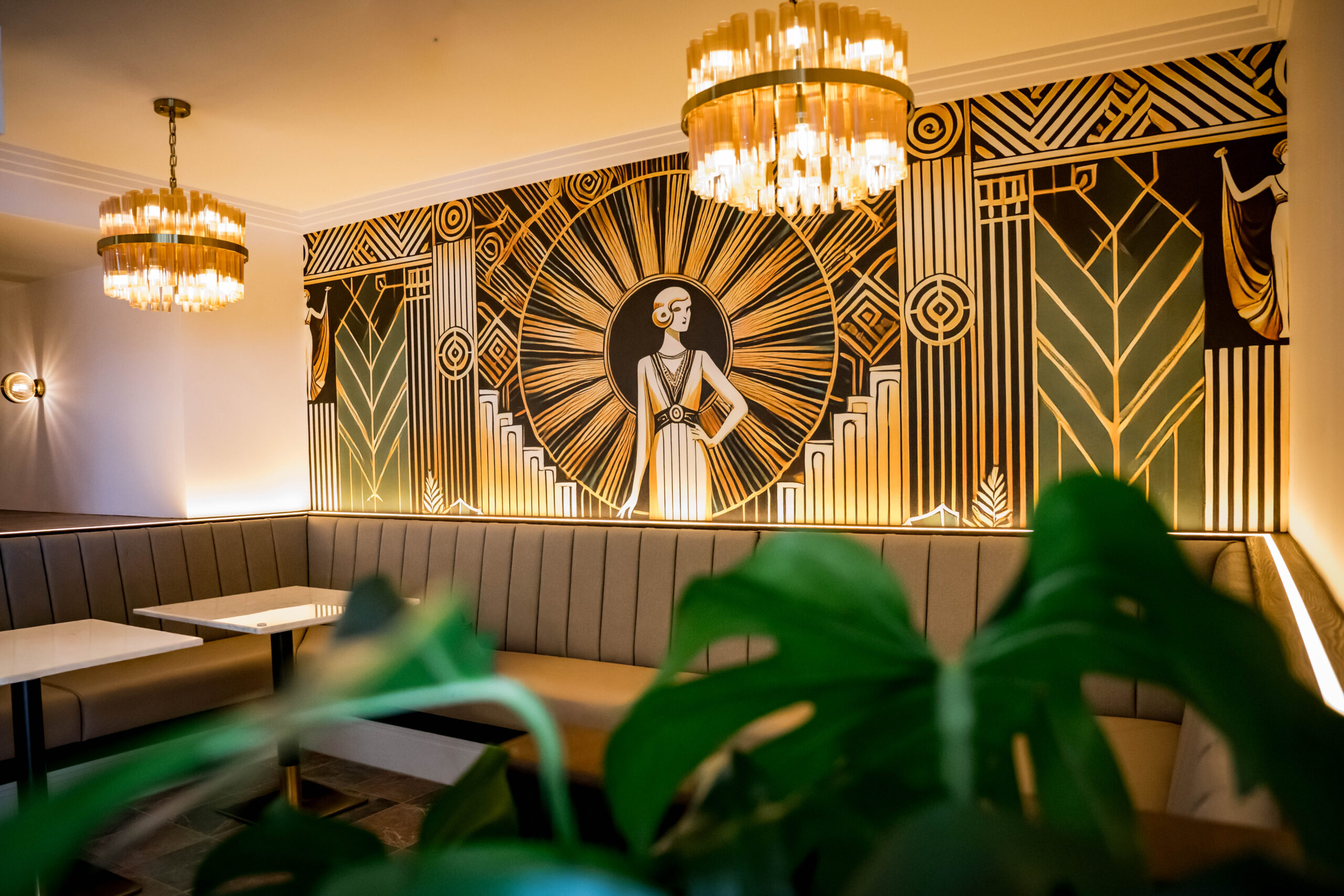
Hotel Du Vin & Bistro project